Advanced collectors reach a stage where typical wheat cents, mid-tier varieties, and roll-search finds no longer satisfy the pursuit. The focus shifts toward pieces with low survival numbers, documented rarity, and strong auction performance. The early 20th century releases, the 1943 steel penny and others coins sit at the top of the market. Each carries historical weight, strict diagnostics, and consistent demand.
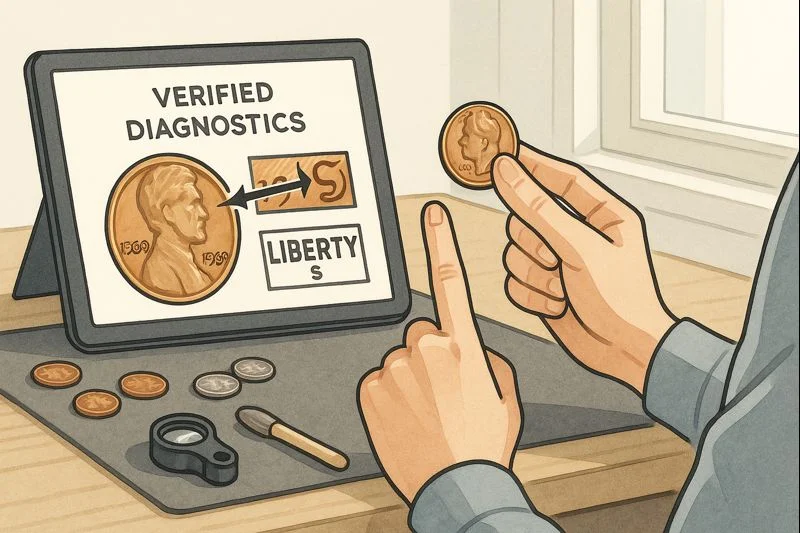
A true “dream penny” is not simply old or unusual. It stands apart through one or more defining qualities:
- Low original mintage with limited availability in high grades.
- Striking anomalies or dramatic die errors documented across reliable sources.
- Auction-proven liquidity, often recorded through Heritage or Stack’s listings.
- Recognizable diagnostics that validate authenticity through surface and die markers.
These pieces reward collectors with the patience to study die states, review census data, and track the movement of high-grade examples between major collections. They also require networks: dealers, specialists, and auction contacts who confirm provenance and condition.
Let’s explore seven dream pennies that consistently appear on advanced collectors’ wishlists—each representing a milestone in rarity, error significance, or early Lincoln series history.
1909-S VDB Lincoln Cent — The First Major Key of the Series
The 1909-S VDB holds iconic status in U.S. numismatics. It marks the debut of Victor David Brenner’s Lincoln design and carries the famous V.D.B. initials placed boldly on the reverse. Only 484,000 coins were struck before the initials were removed, leaving one of the lowest mintages in the wheat-cent run.
Why it’s a dream coin:
- Limited survival in top condition.
- Clear diagnostics that help confirm authenticity.
- Strong long-term price performance.
High-grade Red examples in MS-65 exceed $100,000, with premium appeal coming from strong luster and well-centered strikes. Collectors often consider it a foundational piece for completing the wheat-cent era and track it carefully with a coin identifier tool.
1914-D Lincoln Cent — The Centennial Scarcity
The 1914-D features the lowest Denver mintage among early Lincoln cents, with just 1.2 million produced. Circulated examples remain collectible, but premium pieces show sharp rims, even coloration, and minimal contact marks. These traits push high-grade survivors deep into the six-figure range.
Notable traits:
- Clean mint mark placement and consistent font.
- Strong strikes appear infrequently.
- Price sensitivity tied to color designation and overall eye appeal.
Top-tier MS-66+ examples have surpassed $200,000, reflecting a scarcity curve far steeper than most early teens Lincoln cents.
1955 Doubled Die Obverse — The Most Recognized Error in U.S. Pennies
Few Lincoln varieties carry the same name recognition as the 1955 doubled die. The dramatic doubling on the date and lettering creates thick, separated outlines visible even to unaided eyes and even more notable via the coin value app. This clarity cements its status as the most famous U.S. die error.
Why collectors pursue it:
- Distinct, unmistakable doubling.
- Long auction history with consistent price growth.
- High visibility within the hobby.
An AU-58 example commands around $50,000, while MS-65 pieces have reached more than $1 million. The coin remains a benchmark for die-error collecting and one of the most studied varieties in the Lincoln series.
1943 Bronze Lincoln Cent — The Wartime Icon
The 1943 Bronze Cent stands at the top of the Lincoln hierarchy. During World War II, the Mint shifted from bronze to steel to preserve copper for military use. A small group of leftover bronze planchets entered production by mistake, creating the most famous U.S. transitional error.
Key diagnostics:
- Weight of 3.11 g, unlike the 1943 steel cents.
- Non-magnetic response.
- Warm bronze color with typical copper patina.
Fewer than twenty examples are confirmed across all mints. The finest MS-64 Brown sold for $1.7 million, making this coin a dream target for advanced collectors with deep experience in error verification.
1969-S Doubled Die Obverse — The Late-Discovery Powerhouse
The 1969-S doubled die remained unknown to the wider community for years, delayed by initial counterfeit concerns. Once authenticated, it joined the shortlist of dramatic Lincoln varieties.
Why it commands attention:
- Strong doubling across LIBERTY, the date, and parts of the motto.
- Tight population numbers with very few high-grade pieces.
- Clear separation between die doubling and common machine-doubling patterns.
Red examples graded MS-65 have reached more than $100,000, supported by sustained demand and unmistakable visual impact.
1922 Plain (No D) Lincoln Cent — The Diagnostic Puzzle
The 1922 Plain originates from Denver, the only mint producing cents that year. Heavy die polishing removed the D mint mark entirely on certain dies, creating a variety that mimics a Philadelphia issue. Because no Philadelphia cents were made in 1922, the absence of the mint mark became a standout rarity.
Traits advanced collectors study:
- Weak strike areas along the reverse lettering.
- Specific die states tied to the “strong reverse” variety.
- Die fatigue patterns around LIBERTY.
High-end MS-65 Red examples exceed $500,000, placing this coin among the most complex Lincoln varieties to authenticate.
1982-D Small Date Copper — The Modern Transitional Standout
The 1982-D Small Date Copper represents a rare overlap during the switch from bronze to zinc. The Denver Mint produced a small number of copper planchets struck with Small Date dies intended for zinc cents.
Why it matters:
- Weight of 3.11 g, unlike standard 1982 zinc cents at 2.5 g.
- Distinct Small Date shape with slimmer numeral fonts.
- Extremely limited confirmed population.
A certified MS-67 Red example surpassed $250,000, marking it as the premier modern Lincoln rarity and a core target for collectors focusing on transitional errors.
Rarity Summary Table
| Penny | Key Rarity Factor | Auction High (Top Grade) |
| 1909-S VDB | Low S-mint mintage | $168,000 |
| 1914-D | 1.2M mintage | $373,750 |
| 1955 Doubled Die Obverse | Dramatic hub doubling | $1.3M |
| 1943 Bronze | Wrong planchet | $1.7M |
| 1969-S Doubled Die | Late discovery variety | $126,500 |
| 1922 Plain (No D) | Polished die anomaly | $500,000+ |
| 1982-D Small Date Copper | Modern transitional miss | $250,000+ |
Acquisition Strategies for High-Value Pennies
Reaching the level where dream pennies become attainable requires methodical strategy. These coins move infrequently, often appear only through trusted auction houses, and demand precise authentication before purchase. Advanced collectors rely on consistent routines, accurate diagnostics, and long-term planning to integrate high-value pieces without exposing themselves to risk.
Monitor Established Auction Houses
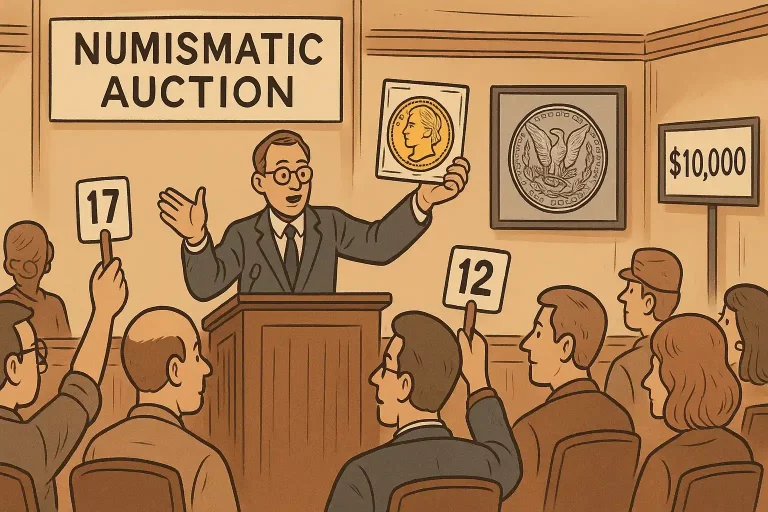
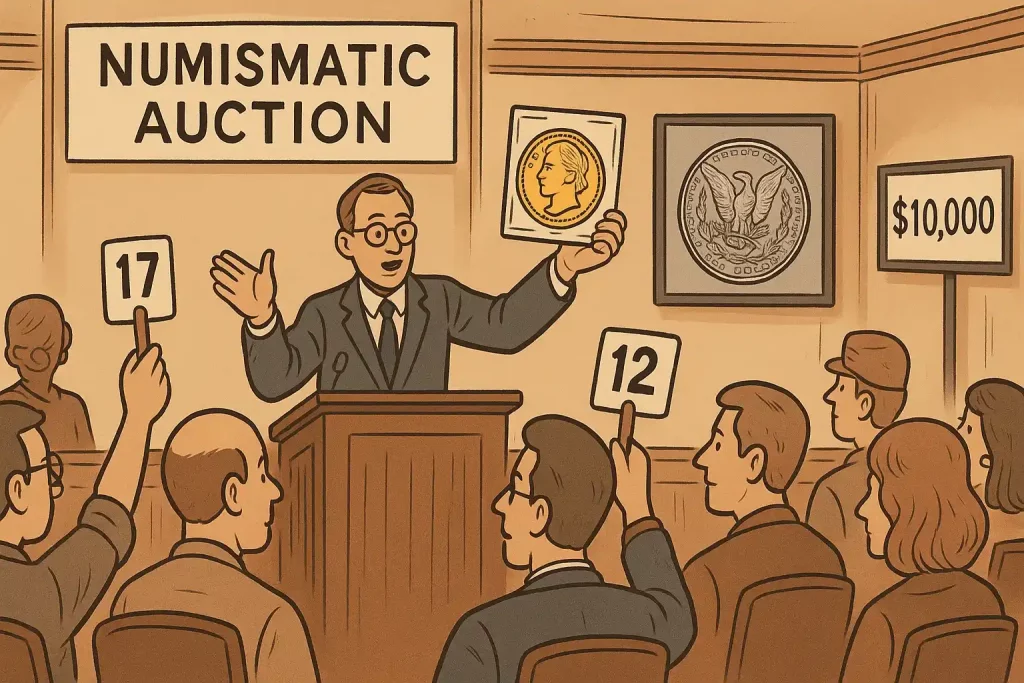
The highest-grade examples of 1909-S VDB, 1914-D, 1955 DDO, 1943 Bronze, and other dream pennies often surface through Heritage, Stack’s, Legend, or Goldberg auctions. These platforms publish provenance chains and grading details that help evaluate long-term market strength.
Leverage Specialist Dealer Networks
Top-tier cents rarely stay in public listings for long. Private dealer networks handle many transactions involving six-figure errors and iconic early keys. Strong relationships ensure early alerts when a dream penny becomes available.
Study Previous Pedigrees
Ownership history matters. Coins tied to major collections (Eliasberg, Simpson, Hansen, Battle Creek) carry stronger liquidity and fewer authenticity concerns. Examining past appearances reveals stable pricing trends and predictable bidding behavior.
Budget for Rapid Bidding Windows
Rare cents often attract compressed bidding periods. Clear financial planning allows collectors to act fast once a high-grade example appears.
Verification Workflows That Protect Investment
Advanced pennies require strict authentication beyond surface-level inspection. A structured verification routine keeps judgment consistent across all seven dream coins.
Core verification steps:
- Review diagnostics under magnification
Compare mint mark shape, date style, known die cracks, and doubling layers against verified references. - Check weight and composition
A 1943 Bronze must show 3.11 g. A 1982-D Small Date Copper must not match the standard zinc weight of 2.5 g. - Examine color and texture carefully
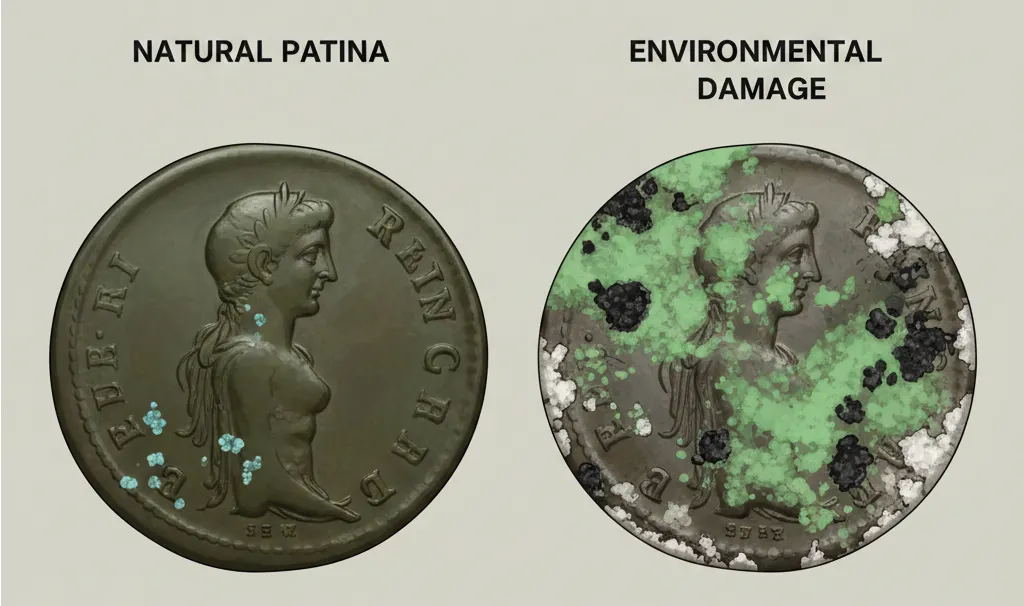
Altered surfaces often reveal microscopic streaks, unnatural gloss, or uneven tone. - Confirm slab legitimacy
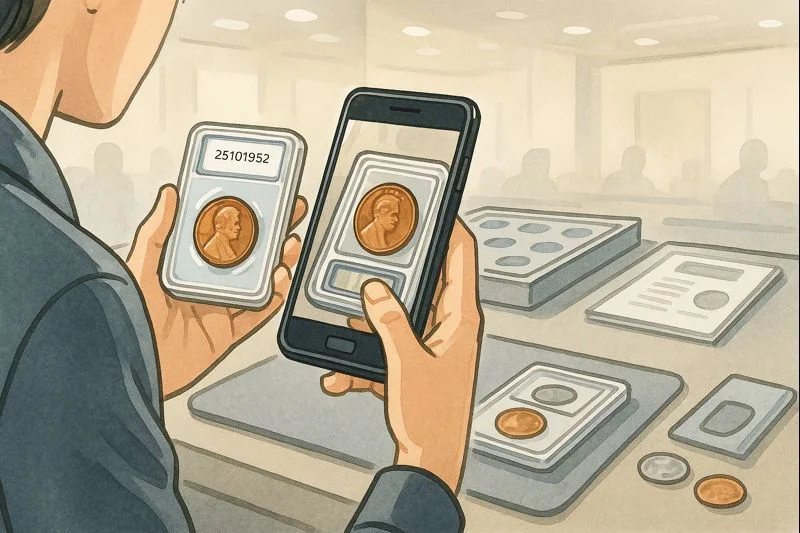
PCGS and NGC certification numbers should match online population records and photo archives. - Document all findings
Maintaining notes builds long-term confidence and simplifies future resale.
These steps ensure that each dream penny aligns with recognized die states and established diagnostic markers.
Dream U.S. pennies represent the most rewarding stages of advanced collecting. Each piece carries a unique story: a designer’s initials removed under pressure, a low Denver mintage, a dramatic doubled die, a wartime planchet mistake, or a late-discovered variety that reshaped Lincoln cent attribution. These coins demand skill, patience, and informed strategy, but they also offer exceptional long-term value and unmatched depth of study.
For collectors aiming to elevate their collections into the upper tiers of numismatics, these seven pennies mark the path. With strong verification habits, auction awareness, and supportive digital tools, the journey becomes structured, informed, and consistently rewarding.